
A Construction Commentary on Healthcare Facility Planning
A streamlined and budget-friendly path for expanding capacity is the key for healthcare facility owners and operators. The design-build delivery process offers a fully integrated approach while also maintaining operational continuity to meet demanding industry needs.
Rethinking Construction
Healthcare providers are under increasing pressure to expand capacity quickly, efficiently, and without disrupting ongoing operations (Money, Inc.). This has become extremely evident for both pediatric dental care and ambulatory surgery centers (ASCs), where demand is accelerating faster than traditional facility delivery methods can support. To meet this growth, providers must rethink not only what they build, but how they build.
Rising Demand and Smarter Building
The 2026 outlook for pediatric dental care points to significant growth. Recent industry reports project an increase of more than 20% in pediatric dental visits over the next two years. (ADA American Dental Association) This surge is driven by expanded insurance coverage, greater emphasis on early intervention, and a growing pediatric population requiring specialized care. This is more than a healthcare trend, a capacity challenge with real operational and financial implications. Providers who cannot expand efficiently will risk longer wait times, lost revenue, and reduced patient access.
From a construction standpoint, this moment represents both urgency and opportunity.
“The growth we’re seeing in pediatric dentistry is incredibly encouraging, especially from the vantage point of delivering many healthcare facilities over time. But it’s not just about the number of new facilities, it’s about delivering environments that truly support providers, staff, and patients and perform at the level these operations require.”
– Travis Mulder, Vice President, Principal, Healthcare Business Unit Leader
Why Traditional Delivery Models Fall Short
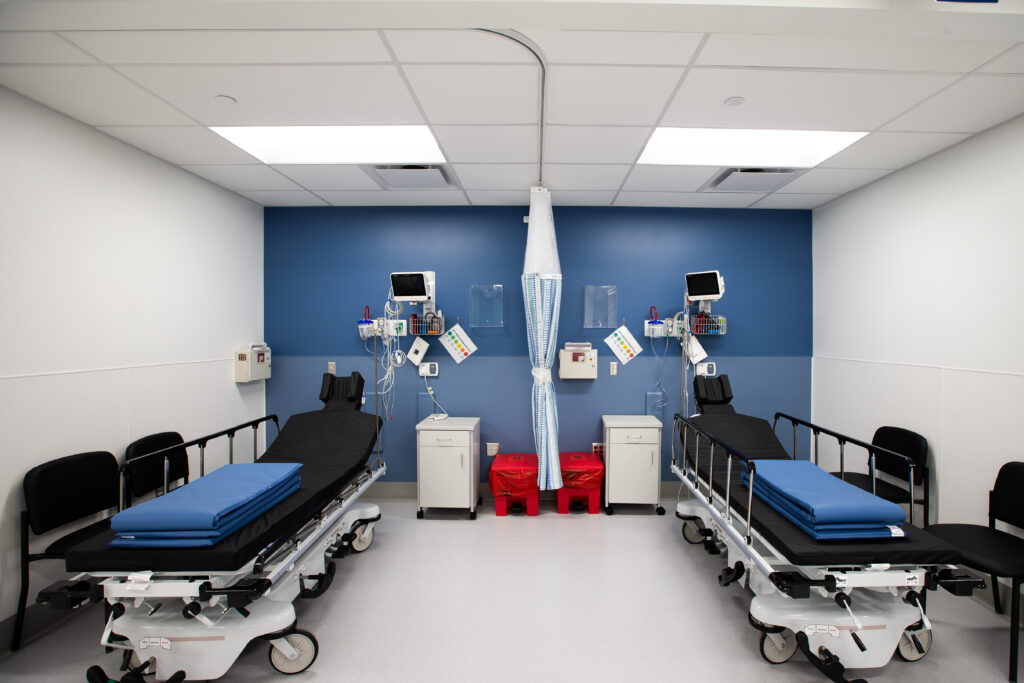
Pediatric dental facilities are not standard medical office builds. These facilities require specialized treatment spaces, child-friendly design elements, infection control measures, and compliance with stringent healthcare regulations.
At the same time, providers face three non-negotiables: speed to market, cost certainty in an unstable inflationary environment, and operational continuity during construction.
This is where Kadean’s design-build process becomes not just advantageous, but essential.
The Case for Design-Build in Healthcare Construction
An integrated design-build approach offers a more effective path forward. By aligning design and construction under a single contract, design-build reduces handoffs, improves coordination, and enables faster decision-making. The result is a streamlined process that accelerates timelines without sacrificing quality.
“Having managed both traditional delivery and design-build projects throughout my career, I have seen first-hand the fundamental differences in
speed to market and risk allocation. For medical providers facing urgent capacity needs, design-build translates directly into faster occupancy and earlier revenue generation.”— Dillon Corr, CHC, PMP, Senior Project Manager
This proactive approach minimizes costly redesigns and helps ensure facilities are built for current demand with the ability to sustain growth.
Planning for Growth Beyond Open
One of the most common pitfalls in healthcare expansion is underbuilding. Where a facility is created that meets immediate needs but lacks flexibility for future demand. By engaging a construction partner early in the planning phase, providers gain access to strategic insights that influence long-term success, like efficient space programming, expansion-ready layouts, and infrastructure planning for future equipment and services.
This forward-thinking approach reduces the likelihood of relocating or undergoing major renovations within just a few years.
Building While Operating: Minimizing Disruption
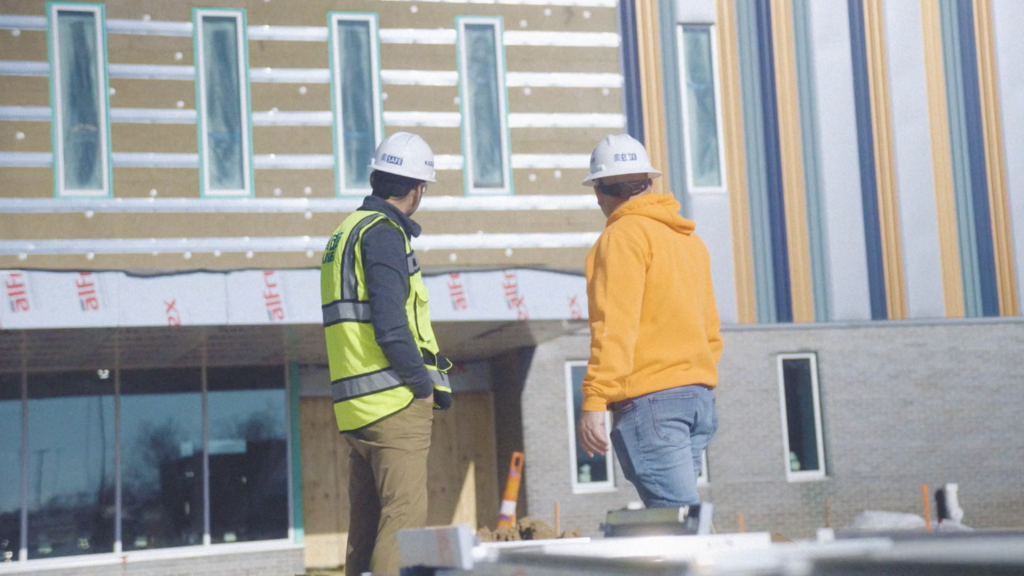
A critical challenge in healthcare construction is maintaining operational continuity during expansion or renovation. Providers cannot simply close their doors during construction with patients scheduled months in advance, staff to retain, and revenue requirements to meet. From a construction management perspective, this demands meticulous planning, transparent communication, and a collaborative approach that puts the provider’s operational needs at the center of every decision. It’s a challenge Kadean has navigated successfully across numerous healthcare projects, and it’s where having a trusted construction partner is essential.
Execution in these environments demands experience, discipline, and accountability. When done right, providers can expand capacity without compromising patient care or staff productivity.
The Value of Partnership Over Transaction
While competitive bidding may offer marginal upfront cost savings, it often overlooks the larger financial picture. Delays in opening a new facility or inefficiencies during construction can far outweigh initial savings.
The most successful healthcare construction programs are built on long-term partnerships, not one-off transactions. The path to success is a transparent relationship where all parties are moving in the same direction and all working in an integrated fashion towards the same end goal.
Final Thoughts
The demand for pediatric dental services and ambulatory surgery centers is expected to continue to grow and shows no signs of slowing down. Meeting this demand requires more than simply building new facilities. It requires a smarter, more integrated approach to construction. Design-build delivery, early collaboration, and having an experienced healthcare construction partner is a necessity.
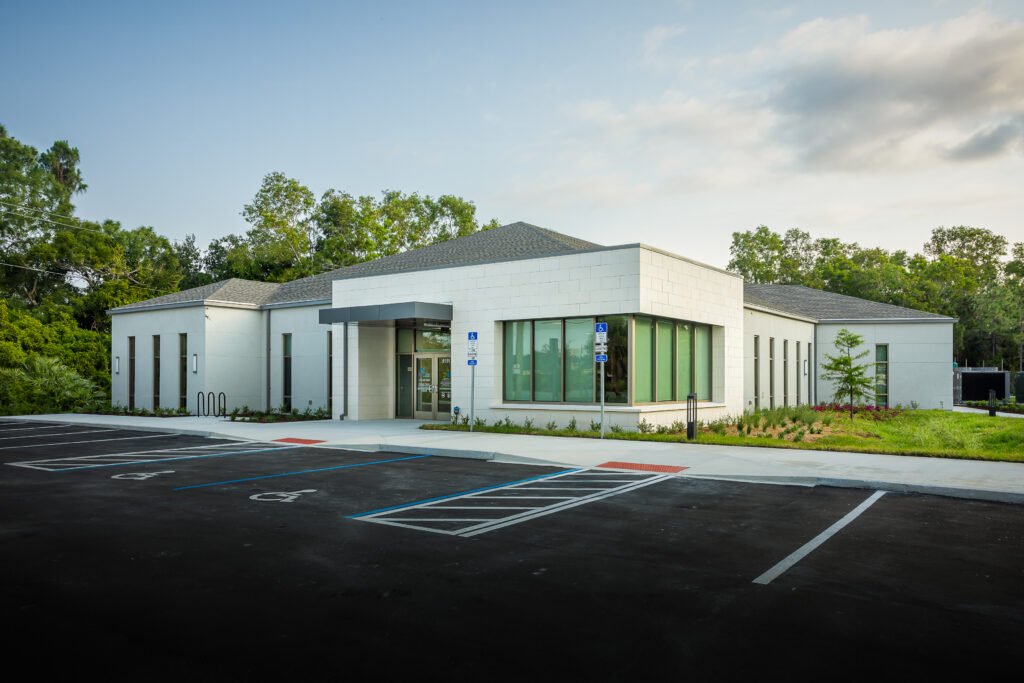
At Kadean, our repeat client base and collaborative culture reflect a commitment to outcomes over transactions.
We understand that for healthcare providers, construction projects are not ends in themselves but means to the essential mission of patient care. Our role is to deliver facilities that enable that mission. As the industry faces unprecedented demand growth through 2026 and beyond, choosing the right construction partner will allow providers to thrive.