
Optimizing Legacy Cold Storage Facilities
Evaluate, prioritize, and improve cold storage facility performance through targeted upgrades and strategic capital planning.
Kadean helps operators unlock capacity and improve efficiency while deploying capital with clarity to extend the life of existing facilities.
Cold storage operators are under increasing pressure to do more with less. Demand has shifted rapidly in recent years, driven by e-commerce, food distribution changes, and evolving consumer expectations. At the same time, energy costs continue to rise, labor remains tight, and automation is no longer optional for many operations.
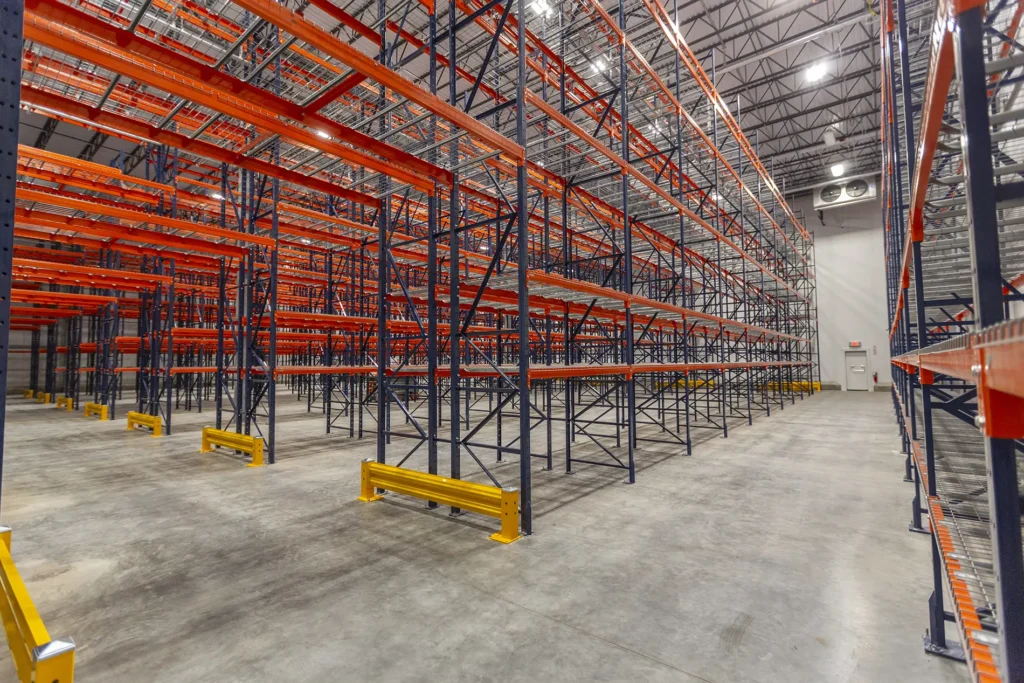
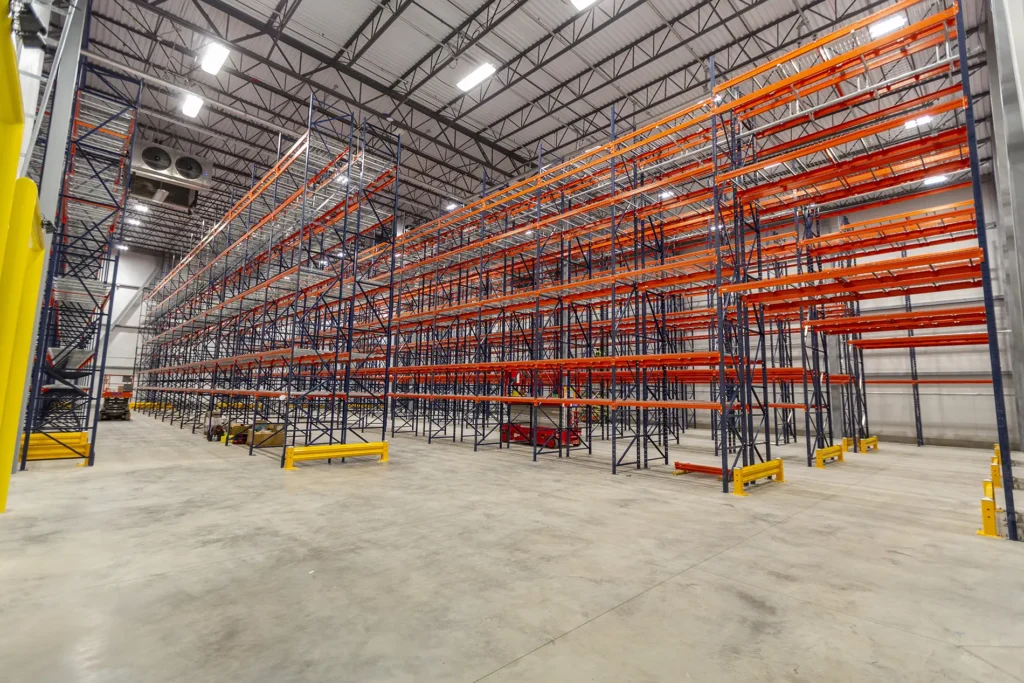
Much of the existing cold storage inventory was not designed for these conditions. Most facilities were built decades ago, with lower clear heights, different throughput expectations, fleets of smaller trucks, and limited flexibility for modern systems. Today, those same buildings are being asked to support higher volumes, faster turn times, and more complex operations.
At the same time, the development landscape has changed. Construction costs remain elevated, power availability is increasingly constrained in certain markets, and new builds often come with longer timelines and greater capital exposure.
As a result, operators are taking a more strategic approach to capital decisions. The question for many is no longer whether to build new. They ask how to get more performance out of what already exists.
The Case for Strategic Modernization
Legacy facilities do not have to become obsolete.
In many cases, performance limitations are not caused by a single constraint, but by how multiple factors compound. Clear height limits storage density. Layout inefficiencies slow product flow. Aging refrigeration systems increase energy demand. Structural and utility constraints encumber the adoption of automation.
New construction can resolve these issues, but it is not always the most effective or immediate solution. It requires significant capital, introduces operational risk, can affect access to workforce, and often takes years to deliver.
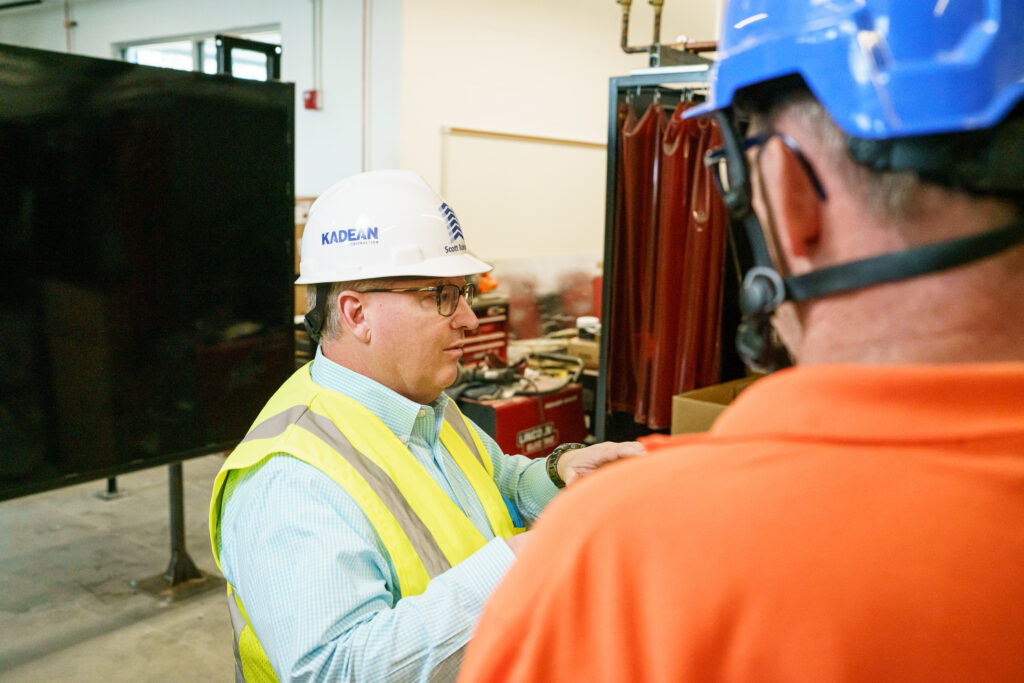
That is why more operators are looking at modernization differently. Instead of replacing facilities, they are identifying targeted and coordinated improvements that unlock performance within the existing footprint. When done correctly, these upgrades can extend the life of a facility while improving throughput, efficiency, and long-term flexibility.
Market Perspective: Rethinking Capital Deployment
Aaron Retherford, President of Kadean and leader of the Industrial Business Unit, works closely with clients navigating these decisions across cold storage and industrial markets.
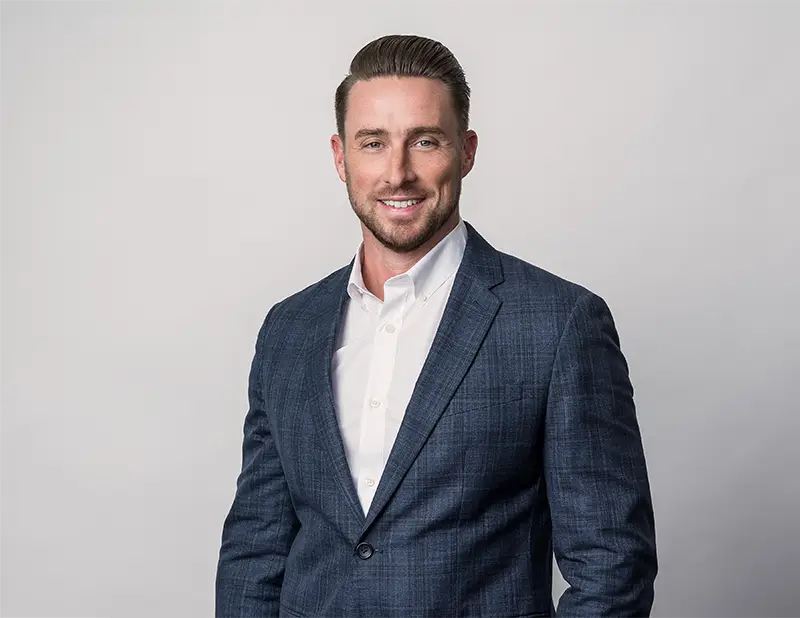
“Operators are under pressure to improve performance, but the environment has changed,” Retherford explains. “Demand patterns are shifting, costs are higher, and flexibility matters more than it did even a few years ago. That is forcing a more disciplined approach to how capital is deployed.”
Rather than defaulting to new construction, many owners are stepping back to evaluate how their existing facilities can evolve.
“This is not about avoiding investment,” he adds. “It is about making sure capital is aligned with how the business actually needs to operate, both today and long term.”
That shift is driving a more measured approach to capital planning, with greater emphasis on phased improvements, operational continuity, and return on investment.
Where Kadean Fits: Execution with Intent
Implementing improvements in an active cold storage facility is fundamentally different than building new. Most operations cannot shut down. Production schedules, tenant requirements, and distribution demands require facilities to remain fully functional throughout construction. That makes sequencing, coordination, and timing critical.
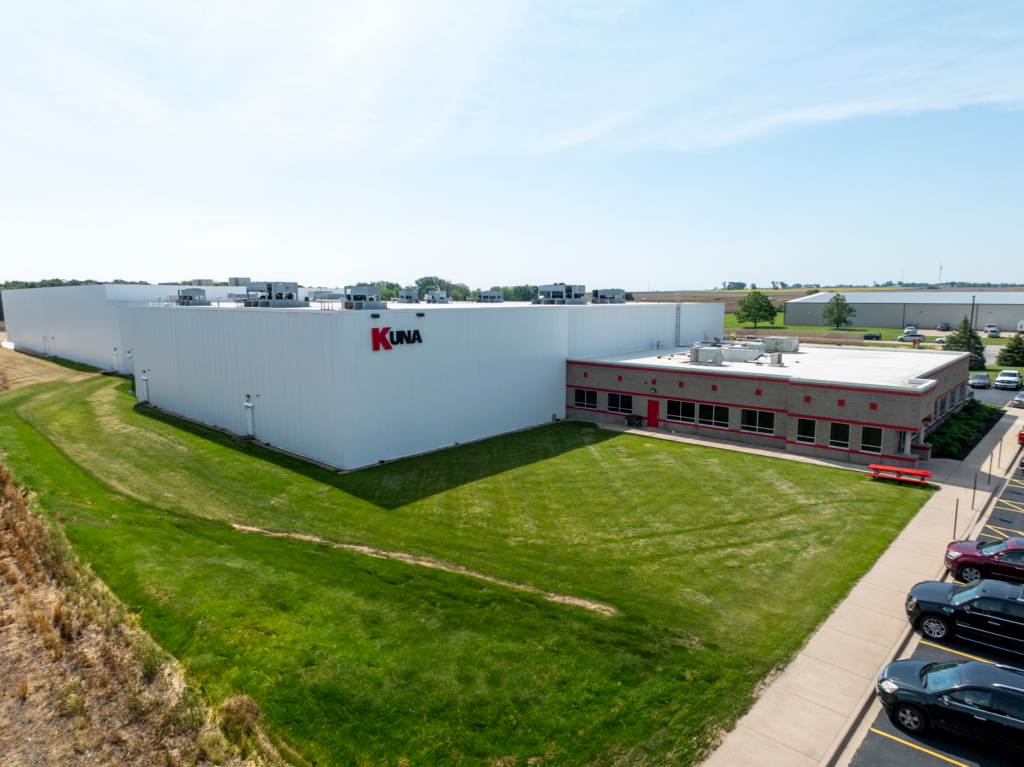
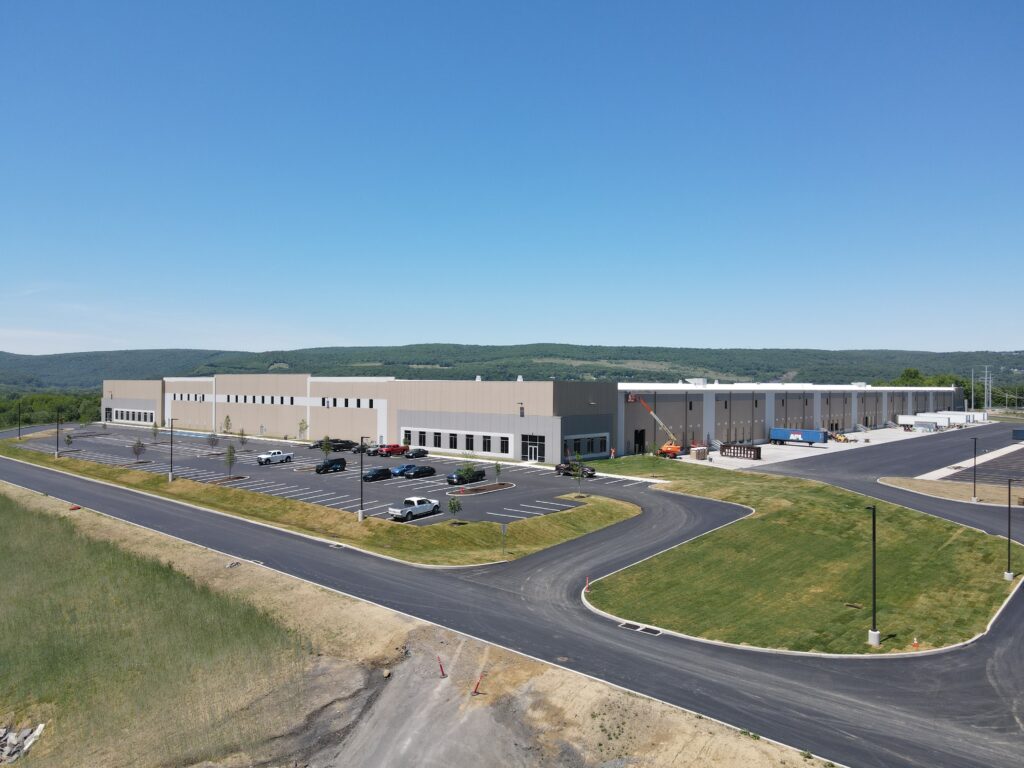
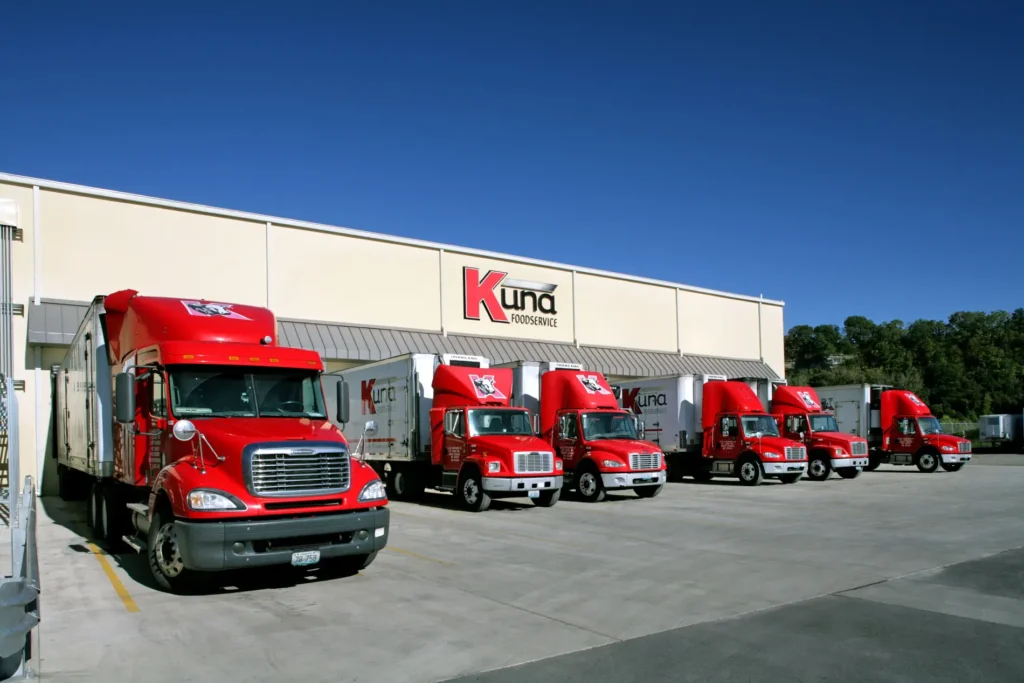
Kadean supports clients through this process by aligning early on what the building can realistically support and then executing improvements in a way that minimizes disruption. This includes phasing work to maintain uptime, coordinating with refrigeration, racking, and automation partners, managing long lead equipment, and ensuring upgrades support future operational needs. Without that level of alignment, even well-planned improvements can create new inefficiencies or fall short of their intended impact.
Before Capital Is Committed: Start with Clarity
The most important decisions are made before construction begins.
Understanding the gap between desired performance vs how a facility performs today is the foundation for developing a complete solution. That requires more than identifying obvious constraints. It requires evaluating how the building, systems, and operations function together.
In some cases, this process reveals opportunities that are not immediately apparent. Performance objectives set-aside individual “pain points,” that when addressed individually, provide temporary relief that resurfaces elsewhere within the operation.
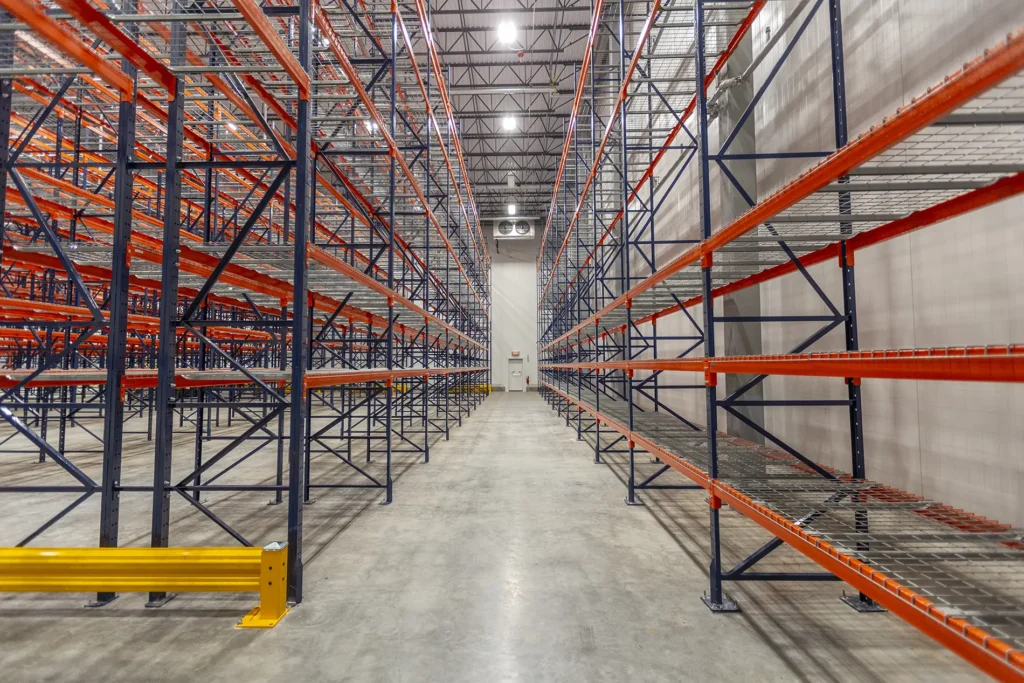
For example, one strategy that is often overlooked is modifying the structure itself to increase capacity. In cold storage environments, raising the roof can increase clear height and allow for higher-density racking. This can significantly expand storage and throughput within the existing footprint.
While not feasible in every facility, this type of approach demonstrates how rethinking the building itself can unlock value without expansion. More broadly, this level of evaluation helps operators determine where upgrades will have the greatest impact, how automation can be integrated effectively, and how capital can be deployed over time to support long-term performance.
Field Perspective: Evaluating Existing Facilities
Jim Driscoll leads early facility evaluation and industrial strategy at Kadean, working with clients to assess how existing buildings can support future operational demands before capital decisions are made. His work focuses on how a facility performs in real conditions, including storage density, product flow, dock utilization, refrigeration capacity, and overall throughput.
“Most facilities are not limited by a single issue,” Driscoll explains. “It is how systems interact. Clear height, sprinkler system, refrigeration capacity, electrical capacity, dock configuration, truck and trailer maneuvering, and product flow all need to be evaluated together. If you isolate one variable without understanding the full system, you risk moving the problem to another location without improving performance.”

That systems-level perspective often changes the outcome. Instead of defaulting to expansion or replacement, clients are able to identify targeted improvements that deliver measurable gains within the existing facility.
From Evaluation to Implementation
When evaluation and execution are aligned, modernization becomes far more predictable.
A clear understanding of your business goals and current performance allows teams to prioritize the right improvements, sequence work effectively, and implement upgrades without disrupting operations. It also provides a framework for making future decisions as operational needs evolve.
Kadean helps clients carry that clarity through implementation, ensuring that improvements are not only completed successfully, but also deliver the intended operational impact.
Start the Conversation
Connect with Jim Driscoll to evaluate how your facility can better support current and future operations.